ESP32 Projects for Beginners
The cheapest way into ESP32 is a $3 ESP32-C3 SuperMini and a USB cable: these 63 beginner-rated builds run from parts that cheap up to complete kits, and much of the firmware now flashes from your browser — no soldering iron, no toolchain to set up.
These 63 projects are the beginner slice of our full ESP32 catalogue: smart-home sensors, e-paper dashboards, internet radios, LoRa mesh messengers and the famous Cheap Yellow Display, each with a checked cost band and the exact parts list.
New to the family itself? Start with which ESP32 you should buy — the ESP32 line has a dozen variants and the right one depends on your project.
Start here: three picks
Cheapest paths to a working build, chosen from the list below.
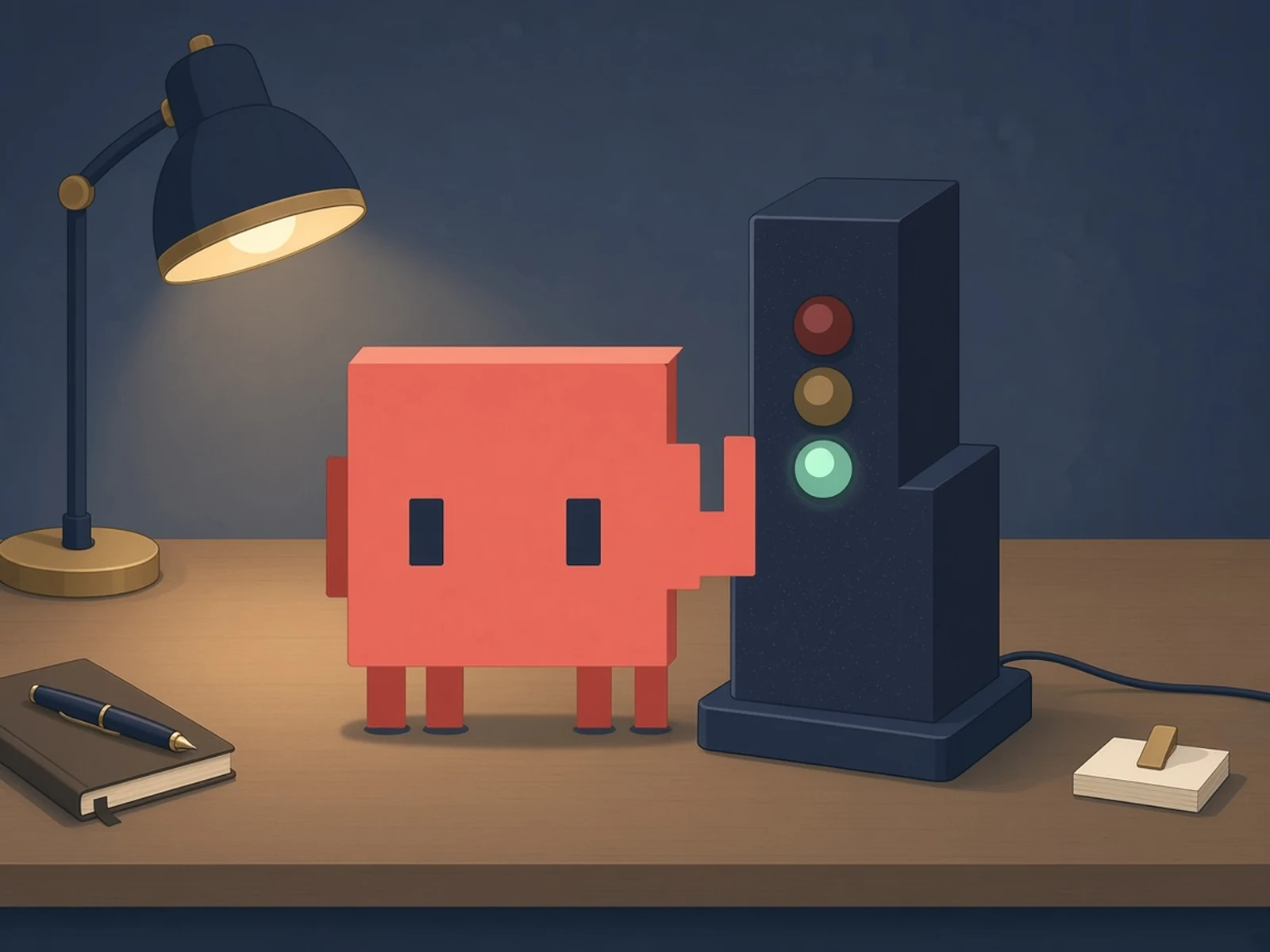
Three LEDs on a $3 ESP32-C3 SuperMini: the gentlest introduction to GPIO, resistors and USB serial on this board.
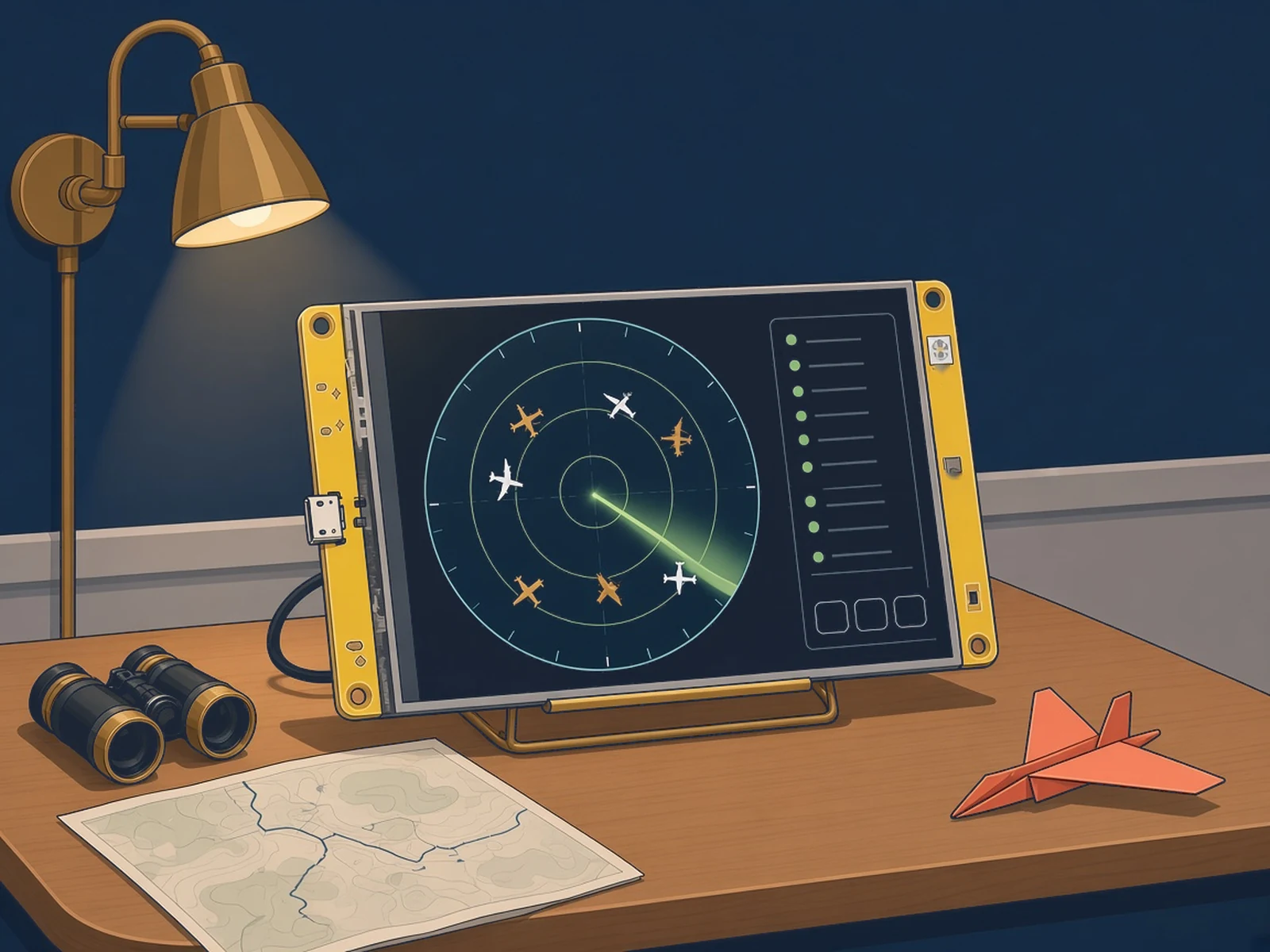
A live plane radar on the Cheap Yellow Display — no wiring at all, and you learn browser flashing, touchscreens and reading live data.
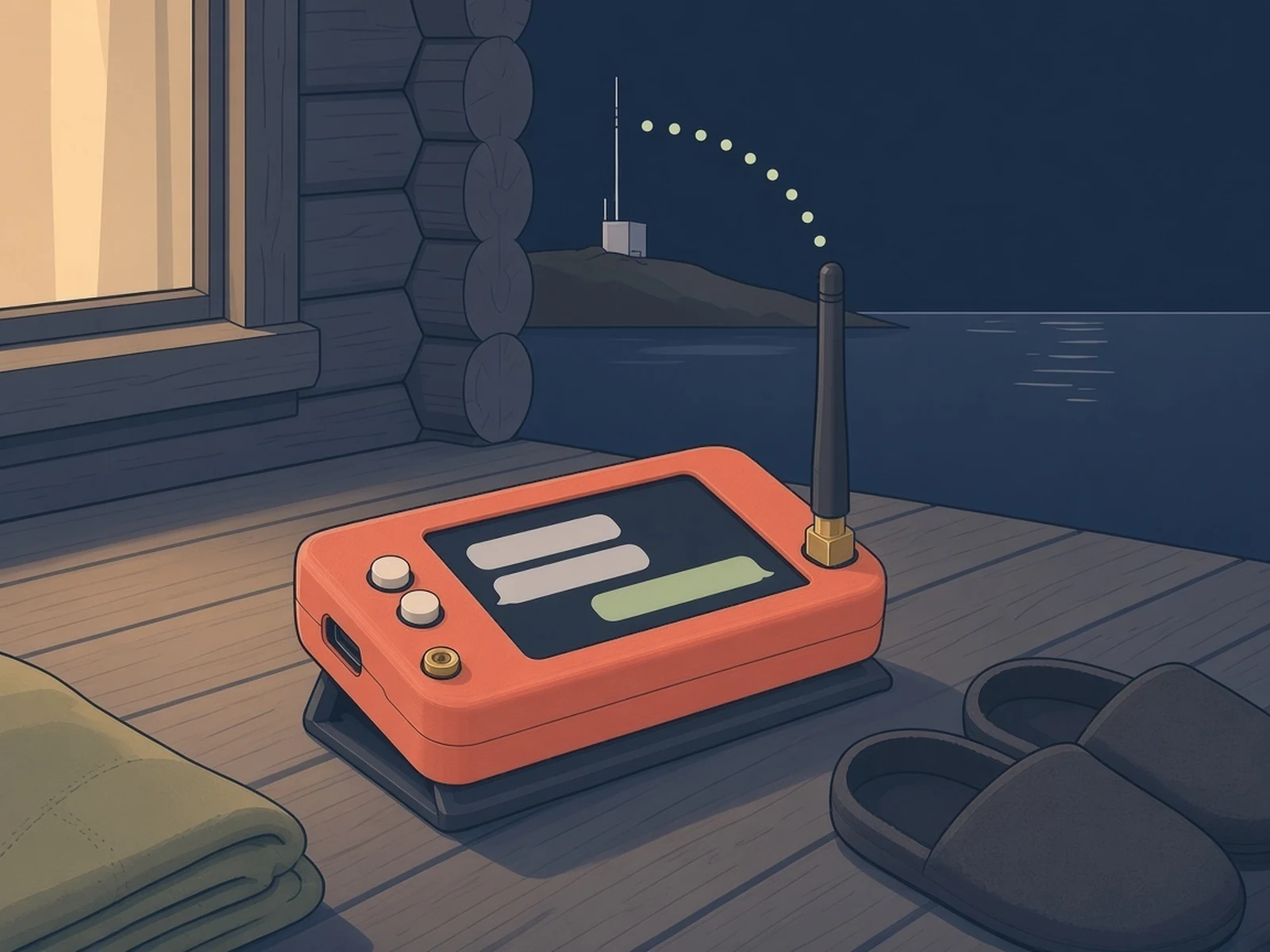
One LoRa board and you're on the off-grid mesh: radio range, antennas and how mesh routing works.
All 63 beginner ESP32 projects
Sorted by cost, cheapest first. Every cost band is checked against live shop prices.
Beginner questions
Which ESP32 board should a beginner buy?
For almost all of these projects, an ESP32-C3 SuperMini (~$3) or a classic ESP32 DevKit ($6-12) is enough. Projects that need a specific board — like the Cheap Yellow Display or a round touch screen — say so in their parts list. Our which-ESP32 guide covers every variant.
Do I need the Arduino IDE?
Often no: many of these projects flash from a web browser over USB (Web Serial). Where a project needs the Arduino IDE, PlatformIO or MicroPython, its page says which and links the setup steps.
How much do beginner ESP32 projects cost?
From about $3 for the board alone; complete beginner builds here range from under $15 (a Cheap Yellow Display project) to over $100 for complete kits. Every cost band is checked against live shop prices.
Can I do these without soldering?
Many, yes: the CYD projects need no wiring at all, and breadboard-and-jumper builds cover most of the rest. Projects that need soldering say so in their parts list.